Open Door: When culture becomes a way in
Bergen International Festival: Open door
Open Door at the Bergen International Festival
FIB (Bergen international festival)
Open Door: When culture becomes a way in
Every year, between 70,000 and 80,000 people gather in Bergen for the Bergen International Festival. Music, dance, theatre and opera fill the city’s stages and streets for two intense weeks. But behind the celebrated programme lies a striking contradiction: many of the people who might need that sense of community the most are nowhere to be seen.
At the end of 2024, 114,000 young adults aged 20 to 29 in Norway were outside both work and education. They are young people caught in a fragile transition — between school and adulthood, between belonging and isolation. For many, exclusion is not about a lack of motivation. It is about lacking a concrete doorway into community and participation.
Doorway
The Bergen International Festival believes it can become that doorway.
Through the “Open Door” project, the festival wants to use its position as one of the Nordic region’s leading cultural institutions for something beyond artistic programming alone. The aim is to give young people at risk of long-term exclusion real work experience, training in relational hosting and hospitality, and a place within a professional cultural environment — not as passive recipients, but as active contributors.
NOK 3 million over three years.
“We know that early experiences of belonging and achievement can shape the direction a young person’s life takes. The Bergen International Festival is not only a cultural institution — it is a meeting place in the heart of the city, with the expertise, capacity and willingness to make inclusion an integrated part of its work. That combination is exactly what we want to support,” says Ingrid Paasche, CEO of the Kavli Trust.
The reasoning is not purely idealistic. Research shows that artistic experiences activate the brain’s reward systems and trigger the release of dopamine, serotonin and oxytocin — chemicals associated with joy, trust and social connection. Norwegian studies have documented clear links between participation in arts and culture and improved mental health, including among young people.
Experiencing art — or helping to present it, welcoming audiences into it — is not only a cultural experience. It is also a neurological one, with measurable effects on how people connect with one another.
Adolescence and early adulthood are particularly formative stages of life, when the brain develops rapidly in areas linked to emotional regulation and social understanding. That is precisely why a cultural arena offers something different from a classroom or a welfare office: it activates different parts of us.
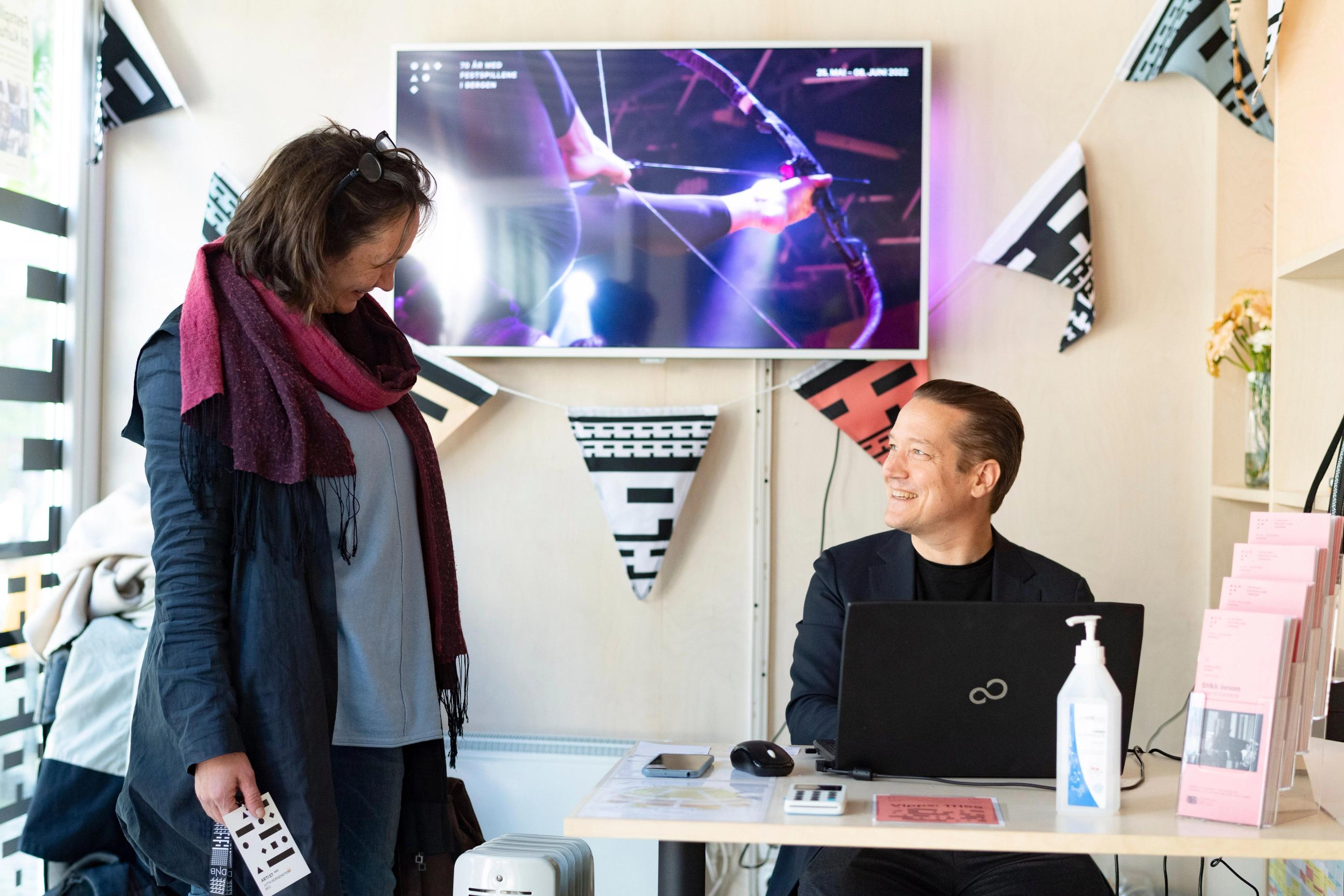
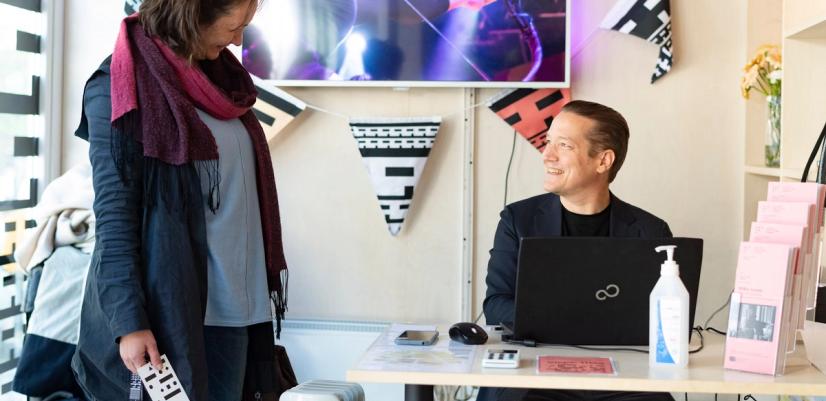
The project is built around what the festival calls “warm hosting” — a structured approach in which volunteers and young people in work placements learn how to welcome audiences with different needs, including those who rarely step into cultural institutions and who may need more than a ticket to feel truly welcome.
Over three years, around 150 young people will take part in structured work placements, while approximately 200 volunteers will receive training in inclusive audience engagement.
“What made this application stand out was that the festival was not asking for funding for a side project. They were asking for support to improve their core activity — and make it accessible to more people. That is an ambition we believe in,” says Rune Mørland, Grant Manager Norway.
A model designed to spread
The method will be documented and shared. The ambition is for what is developed in Bergen to become a model for other cultural festivals — not merely a local initiative, but a contribution to a sector that has, so far, done too little to systematise its work on inclusion.
“The support from the Kavli Trust allows us to move beyond one-off initiatives and build something lasting. We are not simply opening doors — we want to make sure there is something meaningful waiting inside for the people who walk through them,” says Nina Lauvsnes, Head of Marketing and Communications at the Bergen International Festival.
About the project
- The Bergen International Festival has been awarded NOK 3 million over three years for the project “Open Door”
- The project provides structured work placements and volunteer training for young people at risk of exclusion, while developing a transferable model for inclusive audience engagement integrated into the festival’s core operations
- Expected outcomes: approximately 150 young people in work placements, around 200 volunteers with strengthened hosting and audience engagement skills, and a documented model to be shared with other cultural organisations