When the soil fails, it’s the children who pay - old version
When the soil fails, it’s the children who pay
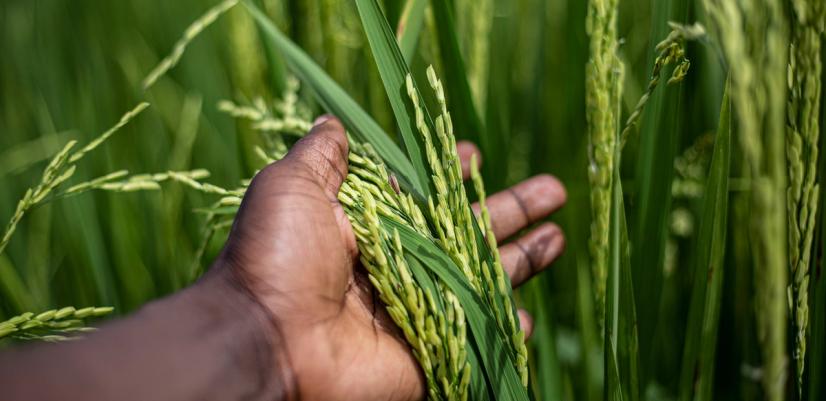
Safari consoler, Pixabay
In Tanzania’s Singida region, the land has been exhausted by generations of intensive farming with nothing put back. The rainy season is unpredictable and shorter than it used to be. More than 30 percent of what is harvested rots before reaching market. And when families can’t make ends meet, children are the ones who drop out of school. Kavli Trust and the Strømme Foundation are now launching a project to break the cycle.
Tanzania has farmers who do everything right. They plough, sow, tend – and wait for rain. But the soil is depleted, rainfall unreliable, and prices are set by middlemen with far more power than farmers will ever have. The result is predictable: disappointing harvests, income that falls short, and a next generation abandoning farming because it doesn’t pay.
Over 65 percent of agricultural land in sub-Saharan Africa is moderately to severely degraded. In Singida – a landlocked district with dry savanna and a short, unpredictable wet season – this translates into catastrophically low yields. Between 30 and 40 percent of food grown is lost to poor storage, long transport routes, and a lack of processing capacity. Farmers sell cheap at the farm gate – and buy food at twice the price a week later.
In this system, young people carry the heaviest burden. Youth unemployment sits at around 10 percent, but 90 percent of those who work do so in the informal sector, with no security and no prospects. Those who can leave for the cities. Those who stay lack the capital and knowledge to do anything differently.
From depleted soil to market
The Strømme Foundation has worked in Tanzania since 1976 and ran the predecessor programme ELCAP in Singida from 2021 to 2026 with strong results: climate-smart farming works – but it needs more time, broader reach, and stronger market integration to make change stick.
With NOK 8 million from Kavli Trust over three years, the organisation is now launching ELECAP – a project set to support 6,000 smallholder farmers in Iramba, Ikungi, and Manyoni. Seven in ten are women. Half are young people between 18 and 29.
“We know that poverty is driven by systems stacked against smallholder farmers – degraded land, unpredictable climate, and markets where they always sell cheap and buy dear. ELECAP takes on all of these challenges at once, which is why we chose to fund it,” says Ingrid Paasche, Executive Director of Kavli Trust.
The heart of the project is soil restoration and market access – in parallel. Farmers learn to use biochar, which sequesters carbon, retains moisture, and rebuilds soil structure. Thirty thousand Gliricidia trees are planted to fix nitrogen. Crop rotation and reduced tillage preserve fertility. Six farmer-run cooperatives – AMCOS – are established to enable collective selling, reduce waste, and negotiate better prices. The target is a 70 percent increase in sales and 20 percent better market prices.
Young people who see a future in the land
A key ambition of the project is making farming attractive to young people. One hundred and fifty youth-led enterprises are to be established – in mechanisation, nurseries, biochar production, and processing. Around 750 young people will have work or income in agribusiness by 2029.
The link to children’s education is deliberate. ELECAP includes 30 school gardens and 300 kitchen gardens where families learn about nutrition and cooking. Better food for children means better concentration and attendance. And when families can afford to think ahead, the barriers to keeping children in school begin to fall.
“What makes ELECAP technically interesting is that it isn’t one single intervention – it’s a system. Agricultural productivity, market integration, youth employment, and education are linked together in one coherent programme, built on five years of documented results from the predecessor programme ELCAP. That combination is rare,” says Rune Mørland, Grants Manager for international projects.
The project also includes a pilot programme for carbon credits. Biochar sequesters CO₂ and can be traded on carbon markets – potentially opening a new, independent income stream for farmers over time.
Expected outcomes by project end: up to 150 percent increase in crop yields, 40 percent higher household income, 70 percent of farmers adopting climate-smart practices, and 30 percent of households lifted above the poverty line.
About the project:
- ELECAP (Enhancing Livelihoods and Education Outcomes through Commercial Agricultural Production) is a three-year programme (2026–2029) for climate-smart farming, market integration, and youth employment in Tanzania’s Singida region.
- The Strømme Foundation, the Norwegian development organisation founded in 1976, implements the programme in the districts of Iramba, Ikungi, and Manyoni – in partnership with local organisations and drawing on experience from the predecessor programme ELCAP (2021–2026).
- Six thousand smallholder farmers participate directly – seven in ten are women, half are young people between 18 and 29. Around 50,000 people are reached directly and indirectly.
- Over 65 percent of agricultural land in the region is degraded. Waste and poor market conditions push families below the poverty line, and it is the children who bear the hardest consequences. Kavli Trust is contributing NOK 8 million over three years to turn this around.
Learn more about the Strømme Foundation
News and stories

Former Kavli Trust Chair Appointed Knight of the Order of St. Olav
Former Chair of the Kavli Trust, Supreme Court lawyer Pål W. Lorentzen, has been appointed Knight First Class of the Order of St. Olav.

Mental health support for refugee children
Can group conversations be a crucial first step in addressing post-traumatic stress (PTSD) in refugee children?
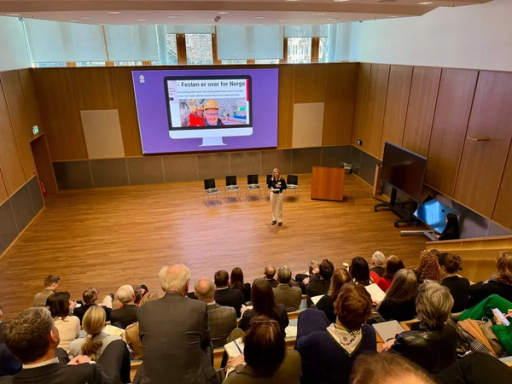
Foundations – a force we must put to use now
Exclusion. Mental ill health. Climate crisis. Rising inequality. We live in a time defined by complex challenges – challenges that demand more than one solution, more than one actor, and more than one approach. In the face of all this, there is a resource that remains underutilised: foundations.
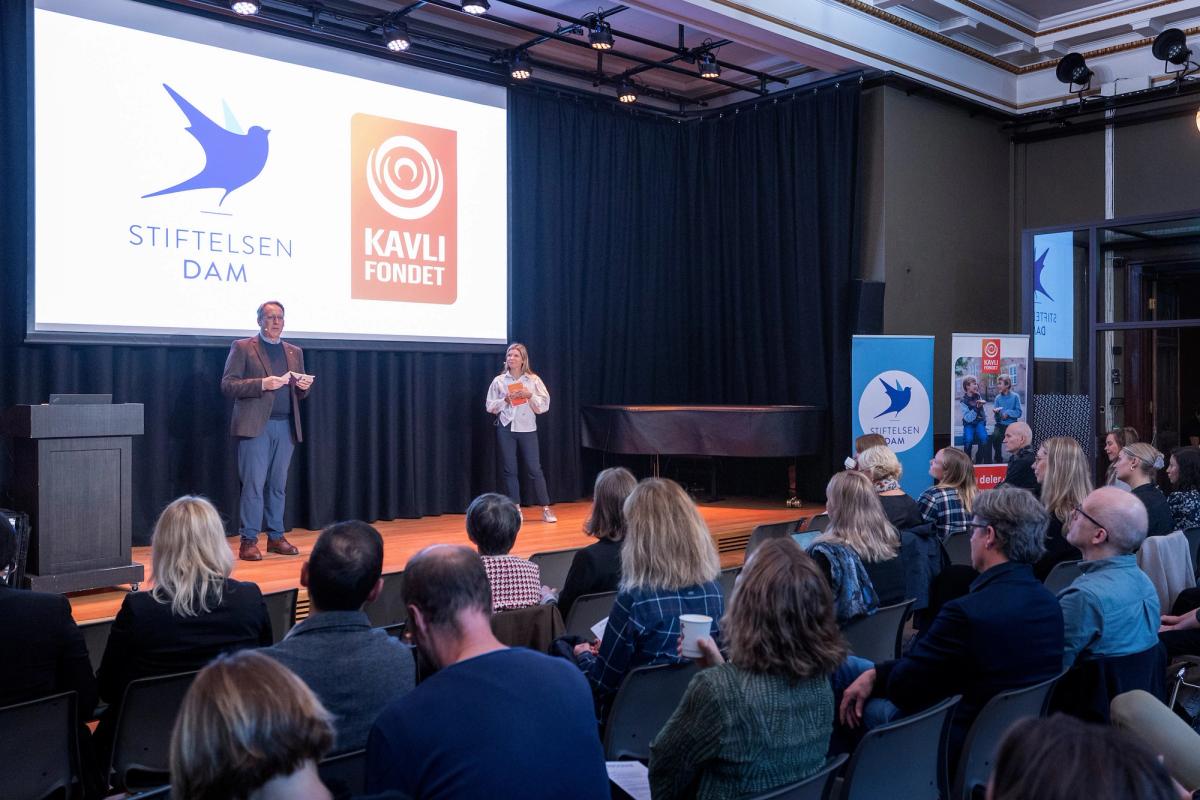
Compounding impact by sharing knowledge
Facilitating knowledge sharing between recipients of grants from the Programme on Health Research is a priority to Kavli Trust.